Multi-Model Translation +Rationale
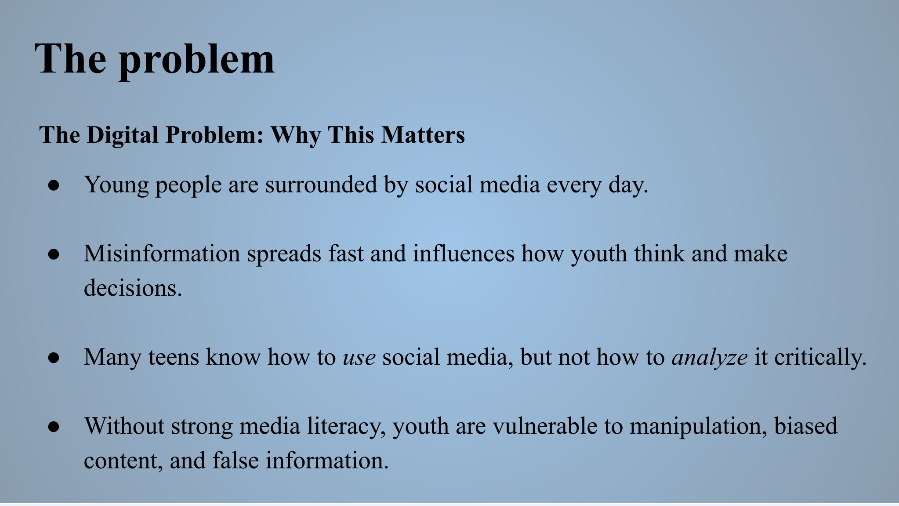
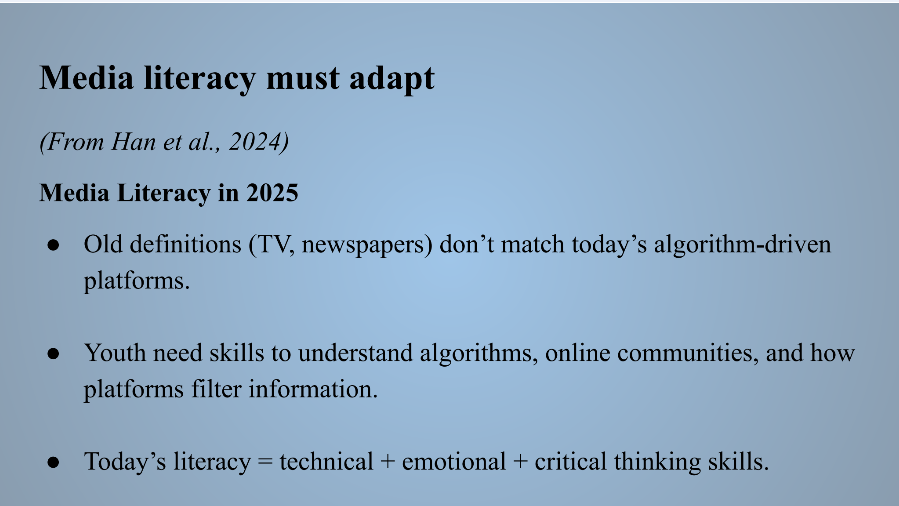
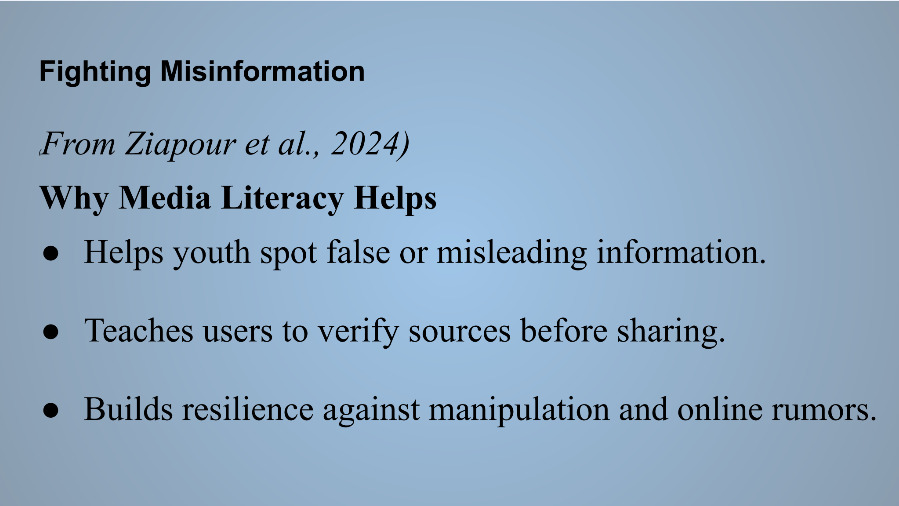
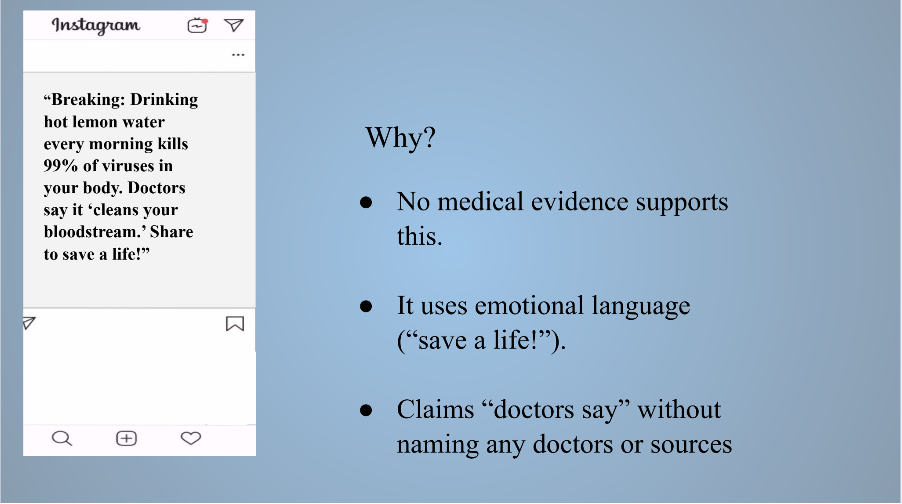
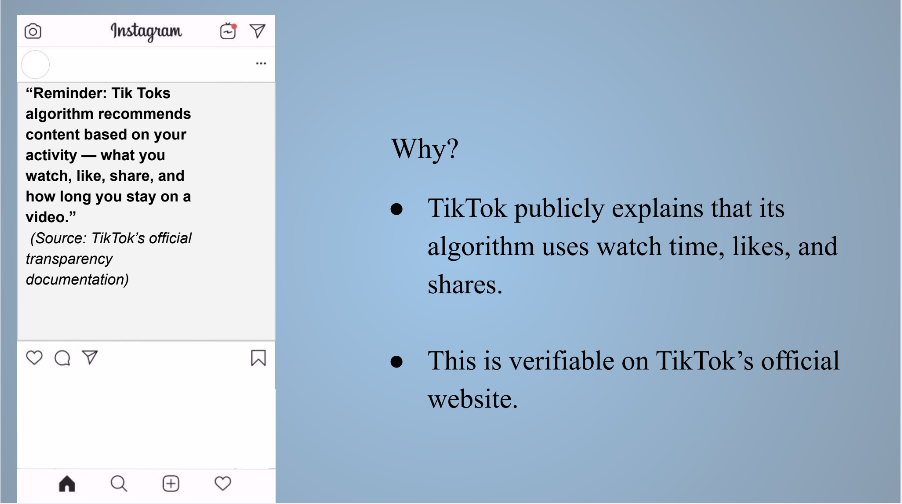
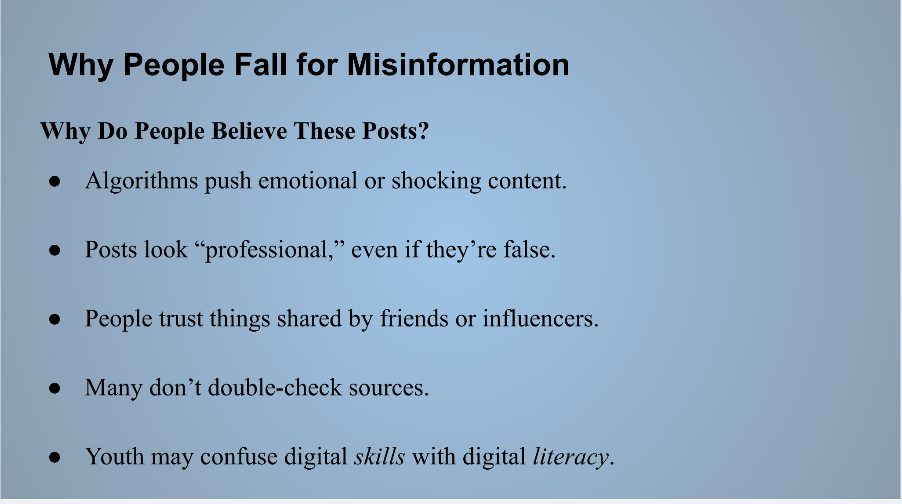
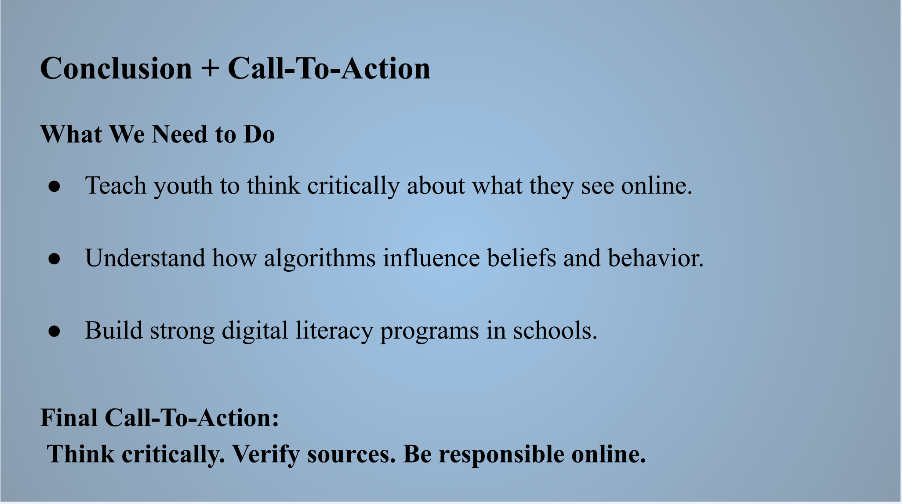
I chose to create an MMT about media literacy because young people today spend a lot of time online, and it’s important for them to understand how social media affects what they see and believe. My goal was to help my audience recognize misinformation, understand how algorithms work, and think more critically about the content they consume. I used visuals, examples of fake posts, and short explanations to make the topic easy and engaging for my classmates. This format works well because images and slides can show how misinformation spreads better than a regular essay. Overall, my choices help the audience learn an important skill in a clear and interactive way.
Artifacts
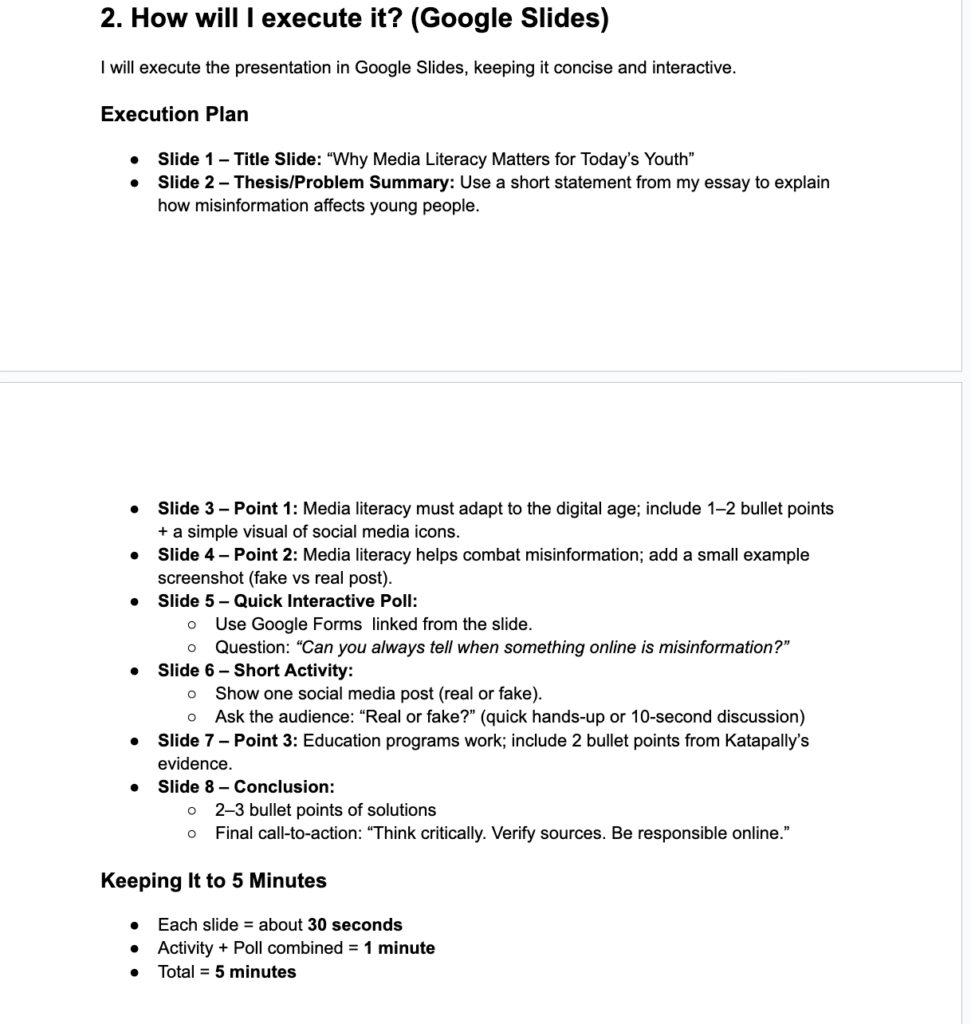
My outline helped me plan the structure and key points of my Multi-Modal Translation (MMT) before creating it. It ensured that my information was organized logically and that each section effectively communicated my main ideas to the audience.
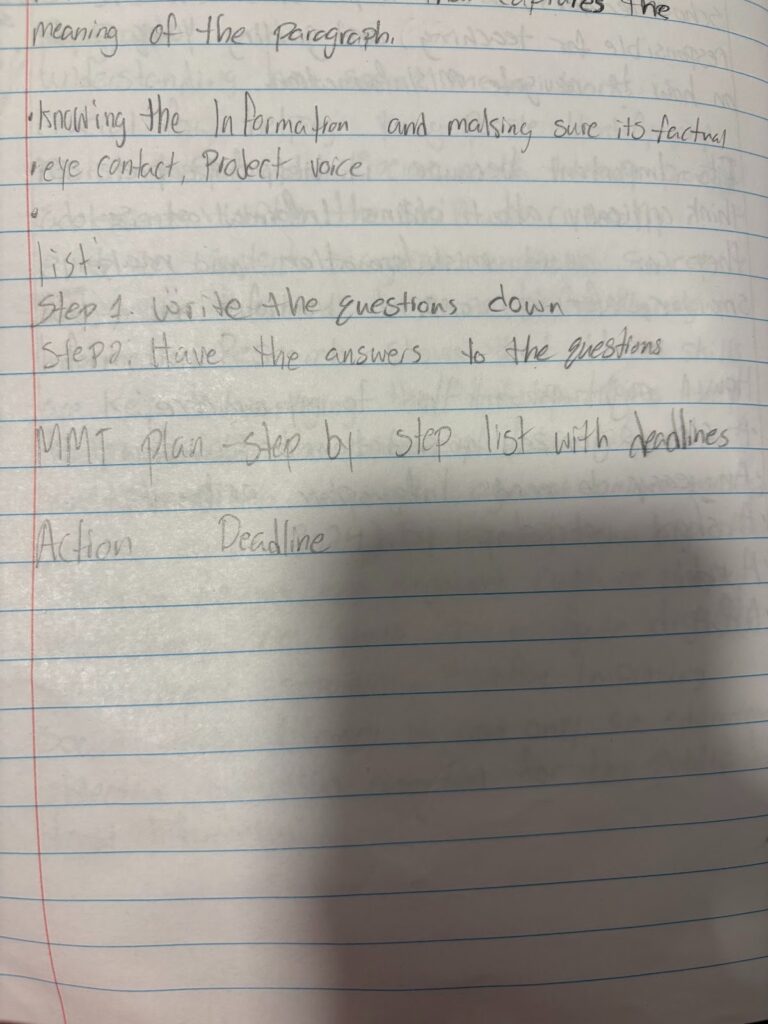
My class notes helped me understand how to adapt information for different audiences and media. They guided me in choosing the most effective visuals, text, and organization for my Multi-Modal Translation.
Instructor feedback helped me improve my MMT by pointing out areas where my information, visuals, or organization could be clearer. The feedback guided me to make revisions that strengthened my overall message and audience engagement.
Peer review helped me see how my MMT looked to someone else and identify confusing parts. My friend specifically suggested I make my visuals clearer, simplify some text, and better connect each section to my main idea.
My final MMT shows how I applied planning, feedback, and revisions to communicate my ideas effectively. It demonstrates my growth in organizing information, using visuals, and adapting my message for my audience.

This entry is licensed under a Creative Commons Attribution-NonCommercial-ShareAlike 4.0 International license.

